
How to Apply for a Schengen Visa? A Step-by-Step Guide
For many, traveling to Europe is a dream, with its rich history, diverse cultures, and unparalleled landscapes. However, for non-European Union citizens, visiting the continent often requires a visa, specifically the Schengen visa if the itinerary involves one or multiple countries within the Schengen Area. But how do you navigate the application process? This article will guide you on how to apply for a Schengen visa, ensuring that your European dreams don’t get stuck in paperwork.
Understanding the Schengen Visa
Before diving into the application process, it’s essential to understand what the Schengen visa entails. It is a short-stay visa allowing its holder to travel across all the Schengen countries for up to 90 days in a 180-day period. Perfect for tourism, business trips, or transiting, the Schengen visa offers unparalleled access to Europe.
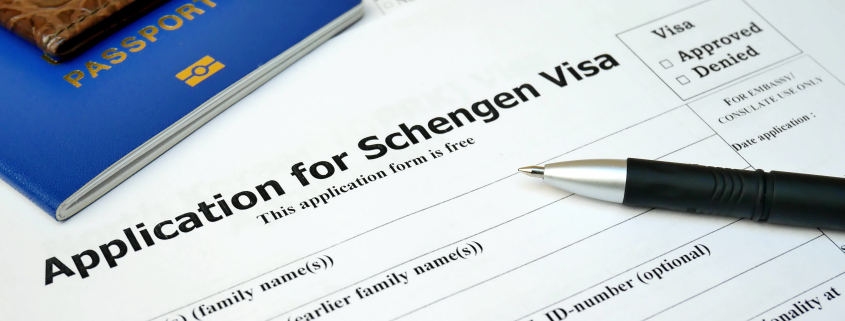
Steps on How to Apply for Schengen Visa:
Determine the Purpose of Your Trip: Your visa type (tourism, business, study, etc.) will determine the nature of the documents you need to provide.
Find Out Where to Apply: Typically, if you’re visiting one Schengen country, you’ll apply at that country’s embassy/consulate. If visiting multiple countries, apply at the embassy/consulate of the country where you’ll be spending the most time or the first point of entry.
Book Your Appointment: Many Schengen countries require you to book an appointment to submit your visa application. It’s best to do this well in advance of your intended travel date.
Fill Out the Application Form: This is usually available from the embassy, consulate or visa centre of the country you apply to, and some countries now use their own online application portals. Make sure to fill out all required sections accurately.
Gather Necessary Documents: This often includes:
- Valid passport
- Passport-sized photographs (based on specific specifications)
- Proof of travel insurance
- Itinerary and accommodation details
- Proof of funds
- Documents relevant to your travel purpose (e.g., invitation letter for business trips)
- Any other documents specified by the country you’re applying to.
Attend the Visa Interview: Some countries may require an interview. Be punctual, dress appropriately, and be prepared to answer questions about your trip.
Pay the Visa Fee: The standard Schengen visa fee is EUR 90 for adults and EUR 45 for children aged 6 to 11, with children under 6 free. Visa centres charge their own service fee on top, so check the correct amount and the accepted payment methods.
Wait: Once you’ve submitted your application, the waiting game begins. Processing times can vary, but most applications are processed within 15 calendar days.
Collect Your Visa: If approved, you’ll be notified to collect your visa. Some embassies may offer to mail it to you.
Double-check: Ensure that all details on the visa sticker are accurate. Mistakes can cause issues during your travels.
Understanding how to apply for a Schengen visa can make the difference between a smooth preparation for your European adventure and a tangled web of bureaucracy. By following the steps outlined above and being meticulous in your application process, you can ensure your journey starts on the right foot. Safe travels!
How early can I apply for a Schengen visa?
You can apply up to 6 months before your intended travel date, and no later than 15 calendar days before you travel.
What if my visa is denied?
You have the right to appeal. The specific appeal process can vary by country.
Do I need to buy flight tickets before applying?
While you need to show your travel itinerary, it’s generally advised not to purchase non-refundable tickets unless you’ve secured your visa.
How long does the visa process take?
Typically, it takes up to 15 calendar days. In individual cases, for example when more documents or an interview are needed, it can be extended to up to 45 days, so apply early in peak seasons.
Can I extend my Schengen visa while in Europe?
Only in exceptional cases, such as medical emergencies or unforeseeable circumstances.
Key timings and fees (as at October 2026)
| Item | Rule |
|---|---|
| Earliest you can apply | 6 months before your trip (9 months for seafarers) |
| Latest you should apply | At least 15 calendar days before your trip, and earlier in peak seasons |
| Standard decision time | 15 calendar days from when your application is accepted |
| Extended decision time | Up to 45 days in individual cases, for example if more documents or an interview are needed |
| Visa fee, adults (12 and over) | EUR 90 |
| Visa fee, children aged 6 to 11 | EUR 45 |
| Visa fee, children under 6 | Free |
| Service centre fee | Charged separately by the visa centre, if the country uses one |
| Travel medical insurance | Minimum cover of EUR 30,000, valid in all Schengen countries for your whole stay |
Some nationalities pay a lower fee under visa facilitation agreements, and some groups (such as school pupils and students on study trips, and researchers travelling for scientific research) can have the fee waived. Fees for national long-stay visas are set by each country.
Where to apply if you live in Australia
You apply to the consulate of the Schengen country that is your main destination, and normally from the country where you legally live. If you are in Australia on an Australian visa, check that your visa will still be valid for your return.
- Visa centres: many Schengen countries use an external service provider (such as VFS Global, TLScontact or BLS International) to take applications, fingerprints and passports. The service provider does not decide your application; the consulate does.
- Embassies and consulates: some countries take applications directly at their embassy in Canberra or a consulate in another capital city.
- Online portals: a few countries now run their own online application systems. For example, Italy moved its short-stay and long-stay visa applications to its own online portal from June 2026. An EU-wide online visa platform is planned but not yet live.
Arrangements change, so always check the current instructions of the country you are applying to. Our country guides, such as France, Germany, Italy and Spain, are a good starting point.
Australian citizens do not need a Schengen visa for short visits of up to 90 days in 180 days. You will need ETIAS once it starts (expected late 2026), and a national visa if you plan to work or stay longer.
Document checklist
Every consulate publishes its own checklist, but most applications are built around the documents below. Bring originals and copies, and follow the country’s rules on translations.
Core documents
- Signed application form
- Passport issued within the last 10 years, valid for at least 3 months after you leave the Schengen Area, with at least two blank pages
- A recent passport photo that meets ICAO standards
- Previous passports and visas, if you have them
- Proof of legal residence if you are not a citizen of the country you apply from
Travel and accommodation
- Flight reservation or itinerary showing entry and exit dates
- Hotel bookings, a rental agreement, or an invitation letter from your host
- Travel medical insurance of at least EUR 30,000 covering the whole Schengen Area
Money and ties to home
- Recent bank statements showing you can cover your trip
- Employment letter with your role, salary and approved leave, or business registration if self-employed
- Proof of study (for students) or pension (for retirees)
- Anything showing why you will return home, such as property, family or ongoing work
Purpose of travel
- Business: invitation from the host company and a letter from your employer
- Family visit: invitation from your relative and proof of your relationship
- Short study: enrolment confirmation from the school or course provider
- Medical treatment: letter from the treating hospital and proof you can pay
Children under 18
- Birth certificate
- Application form signed by both parents or legal guardians
- Consent letter from any parent not travelling, and a copy of their ID
Biometrics, decisions and refusals
When you lodge your application, your fingerprints and photo are taken for the Visa Information System. If you gave fingerprints for a Schengen visa within the last 59 months, you may not need to give them again. Children under 12 do not give fingerprints.
If your visa is granted, check every detail on the sticker before you travel: your name, passport number, the dates of validity, the number of entries and the number of days allowed. Holding a visa does not guarantee entry, so carry copies of your bookings, insurance and funds when you travel.
If your visa is refused, you receive a standard refusal form that ticks the reasons and explains how to appeal. Appeals follow the national law of the country that refused you, and time limits can be short. You can also make a fresh application that deals with the reasons for refusal.
Common mistakes to avoid
- Applying to the wrong country, for example the country you fly into rather than the one where you will spend the most time
- Booking non-refundable flights before your visa is decided
- Travel insurance that is below EUR 30,000 or does not cover the whole trip
- Bank statements with large unexplained deposits just before applying
- An itinerary that does not match your bookings or leave dates
- Leaving your application too late for the peak summer season
VisaEnvoy does not provide Schengen visa services. This guide is general information. For advice on your application, contact the embassy or consulate of the country you plan to visit.