
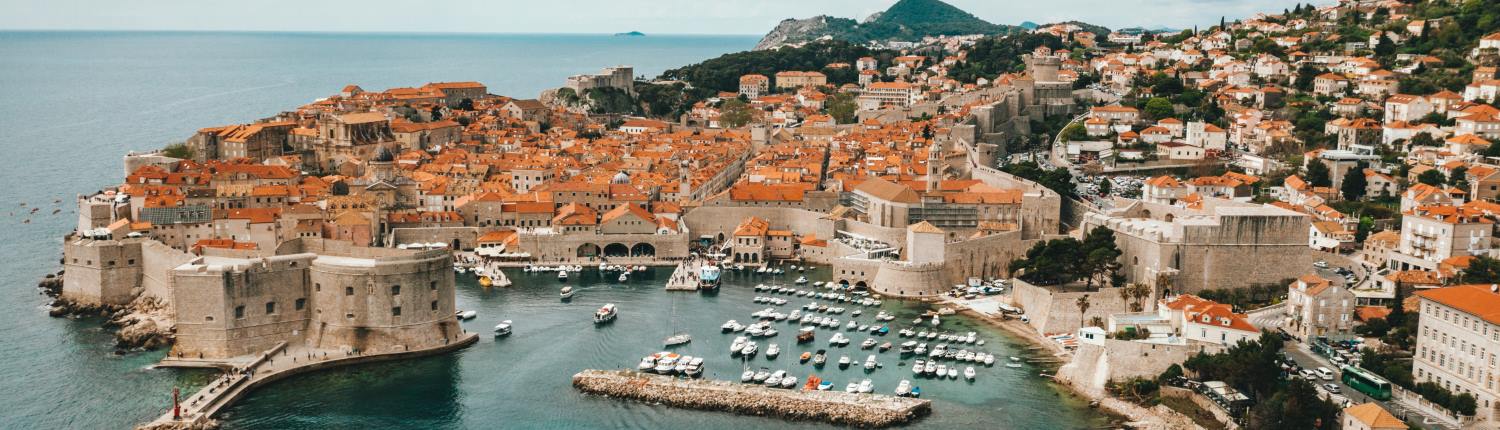
Croatia, a country known for its breathtaking Adriatic coastline, rich history, and diverse culture, has become an increasingly popular travel destination in recent years. For many travelers, obtaining a Croatia Visa is the first step to embark on a journey into this European paradise. Given Croatia’s position within the Schengen Area, it’s essential to understand the nuances and specifics of this visa type.
Croatia Visa and the Schengen Agreement
 Croatia joined on 1 January 2023 as one of the newest members of the Schengen Area, a zone comprising 29 European countries that have abolished passport and other types of border control at their mutual borders. This agreement allows for unrestricted movement of people within the countries of the Schengen Area. As such, a Croatia Visa is generally consistent with the regulations and requirements of the Schengen visa.
Types of Schengen Croatia Visas
The Schengen Area offers various visa types, depending on the purpose of the visit. Whether you are visiting for tourism, business, or studying, it’s crucial to apply for the correct visa type to ensure a hassle-free experience. Explore the different Schengen visa types to determine which one aligns with your travel goals.
- Tourist Visa: Ideal for those wishing to explore Croatia’s picturesque landscapes, historic sites, and vibrant cities.
- Business Visa: Designed for professionals attending meetings, conferences, or other business-related events.
- Student Visa: This is for those seeking to study in one of Croatia’s esteemed institutions. Detailed information on the Student Schengen Visa can help prospective students navigate the application process.
- Transit Visa: For travelers passing through the Schengen Area en route to a non-Schengen destination.
- Official Visit Visa: Catering to official delegations traveling to Croatia for official purposes.
How to Apply for a Croatia Visa
The application process for a Croatia Visa can be streamlined by following a few crucial steps. Here’s a brief guide:
- Determine Your Visa Type: As mentioned above, it’s vital to identify the visa type most suitable for your trip.
- Complete the Application Form: Complete the form on Croatia’s online form-filling tool, then print and sign it. You still lodge it in person.
- Gather Necessary Documents: This includes photographs, proof of travel insurance, accommodation details, and other pertinent documents.
- Book an Appointment: In Australia there is no Croatian visa centre, so contact the Croatian embassy or consulate that covers your state (listed below) to book an appointment and lodge your application in person.
- Attend the Interview: A visa interview might be part of the process. During this interview, you’ll answer questions about your trip, finances, and other related topics.
- Pay the Fee: The Schengen visa fee is EUR 90 for adults and EUR 45 for children aged 6 to 11; national long-stay visas cost more.
- Wait for Approval: After submitting your application, there will be a waiting period. Once approved, you’ll be informed, and you can collect your visa.
For a more detailed step-by-step guide, check out how to apply for Schengen.
Benefits of a Schengen Croatia Visa
Obtaining a Croatia Visa in the context of the Schengen agreement comes with several advantages:
- Movement Across the Schengen Area: The visa allows you to travel freely within the 29 countries of the Schengen Area, offering more value and flexibility.
- Lesser Border Checks: Minimal internal border checks make traveling between Schengen countries a breeze.
- Streamlined Application Process: The unified Schengen visa system means that travelers familiar with one Schengen visa application will find the Croatia Visa process familiar.
For those keen on exploring Europe, the Croatia Visa serves as a gateway not just to Croatia, but to the wider expanse of the Schengen Area. It’s a ticket to diverse cultures, historic landmarks, and unforgettable experiences. By ensuring you choose the right visa type and following the application process meticulously, your Croatian adventure awaits!
With these insights and the resources available on VisaEnvoy, travelers can confidently navigate the visa process and embark on their journey to the heart of Europe.
Croatia at a glance
Croatia, which joined the Schengen Area in 2023, is popular for Dubrovnik, Split, the Adriatic islands and Plitvice Lakes. Here are the key facts for travellers from Australia.
| Schengen member since | 1 January 2023 |
| Currency | Euro (EUR), since 1 January 2023 |
| EU membership | EU member since 2013 |
| Official language | Croatian |
| Short stays | Up to 90 days in any 180-day period across the whole Schengen Area |
| Where residents of Australia apply | No visa centre. Contact the Croatian office for your area: Embassy in Canberra (ACT and nearby NSW), Consulate General in Sydney (NSW, QLD, NT), Consulate General in Melbourne (VIC, SA, TAS) or Consulate in Perth (WA) |
| Working holiday for Australians | No program with Australia at the time of writing |
Information checked October 2026. Rules and arrangements change, so confirm with the Croatian authorities or the mission handling your application before you travel.
Travelling to Croatia on an Australian passport
Australian passport holders do not need a visa to visit Croatia for tourism, family visits or short business trips. You can stay up to 90 days in any 180-day period, and that limit covers the whole Schengen Area, not Croatia alone. Days spent in other Schengen countries count towards the same total, so check your dates with the Schengen visa calculator before you book.
Since 10 April 2026 the EU Entry/Exit System (EES) has been fully operational at all external Schengen borders. The first time you arrive, border officers record your passport details, facial image and fingerprints. The system then logs every entry and exit and counts your days automatically, replacing passport stamps.
The next change is ETIAS, an online travel authorisation for visa-exempt travellers such as Australians. It is expected to start in late 2026, will cost EUR 20 (free if you are under 18 or over 70) and will be valid for three years or until your passport expires. It is not required yet, and there will be a transition period after launch.
- Your passport should be valid for at least three months after you plan to leave the Schengen Area and have been issued within the last 10 years.
- Border officers can ask about your accommodation, return or onward ticket and funds, so keep these handy.
- Some Schengen countries have reintroduced temporary checks at internal borders, so carry your passport when you cross between countries.
- Since Croatia joined Schengen, there are no routine passport checks on its land borders with Slovenia and Hungary. Its borders with Bosnia and Herzegovina, Serbia and Montenegro are external Schengen borders, so full checks and EES registration apply there.
Who needs a Croatian Schengen visa and where to apply
You need a Schengen visa if your passport is from a country that is not visa-exempt. This often applies to people who live in Australia on a temporary or permanent visa but hold, for example, an Indian, Chinese, Filipino or Vietnamese passport. Apply to Croatia if it is your main destination (where you will spend the most days) or, if your days are split evenly, if it is the first Schengen country you will enter.
Residents of Australia: There is no Croatian visa application centre in Australia. Croatia has four offices in Australia, each covering set areas: the Embassy in Canberra (the ACT and the parts of New South Wales bordering it), the Consulate General in Sydney (New South Wales, Queensland and the Northern Territory), the Consulate General in Melbourne (Victoria, South Australia and Tasmania) and the Consulate in Perth (Western Australia). Contact the office for your area to confirm it accepts Schengen applications and to book an appointment. The Embassy books client appointments through Croatia’s consular portal. Croatian applications are made in person, using a form completed on Croatia’s online form-filling tool, printed and signed. Croatian rules say that where there is no competent Croatian mission or visa centre in your country, you apply at the nearest competent Croatian embassy or consulate.
- Lodge your application no earlier than six months and no later than 15 days before you travel. Earlier is better in the European summer and around Christmas.
- The standard decision time is 15 calendar days, which can be extended to 45 days in individual cases.
- Missions in Australia commonly ask for proof of your Australian visa status, such as a recent VEVO record, along with the usual documents: passport, photo, travel medical insurance of at least EUR 30,000, itinerary, accommodation and proof of funds.
- Fingerprints are taken at your appointment unless they were recorded for a Schengen visa in the last 59 months.
See our step-by-step guide on how to apply for a Schengen visa and the different Schengen visa types.
Croatian Schengen visa fees
| Adults and children 12 and over | EUR 90 |
| Children 6 to 11 | EUR 45 |
| Children under 6 | Free |
| Service provider fee | Not applicable if you lodge directly with a Croatian mission |
| National (type D) long-stay visa | Set by Croatia; usually higher than the Schengen fee |
These Schengen fees have applied since 11 June 2024 and are usually charged in Australian dollars at the current exchange rate. Some nationalities with EU visa facilitation agreements pay less. The fee is not refunded if your application is refused.
Staying longer: working holidays, study and work in Croatia
The 90-day rule only covers short visits. For longer stays you need a national visa or permit from Croatia itself.
At the time of writing, Australia does not have a working holiday arrangement with Croatia. To work in Croatia you need a residence and work permit, usually arranged with a Croatian employer. Young Australians looking for a working holiday in Europe can consider countries that do have programs, such as Austria, Italy or France.
Croatian visa FAQs
Do Australians need a visa to visit Croatia?
No, not for short stays. Australian passport holders can visit Croatia and the rest of the Schengen Area for up to 90 days in any 180-day period. Your fingerprints and photo are recorded in the Entry/Exit System on arrival, and ETIAS is expected to be required after it launches in late 2026.
Does the 90 days apply to Croatia only?
No. The 90 days in any 180-day period is shared across all 29 Schengen countries. Time in non-Schengen countries such as Cyprus, Ireland or the United Kingdom does not count towards it.
When did Croatia join the Schengen Area?
Croatia joined on 1 January 2023, the same day it adopted the euro. Since then, a Schengen visa or visa-free stay covers Croatia in the same way as other Schengen countries.
Does a day trip from Dubrovnik to Montenegro or Bosnia affect my 90 days?
Days spent outside the Schengen Area do not count towards the 90 days, but you leave and re-enter the area, so expect border checks and an EES record each time you cross.
Where do I fill in the Croatian visa application form?
Croatia provides an online form-filling tool run by its Ministry of Foreign and European Affairs. You complete the form online, print and sign it, then lodge it in person with your documents and fingerprints.
Is there a working holiday visa for Croatia?
Not for Australians at the time of writing. Stays over 90 days need a Croatian residence permit, for example for work, study, family reasons or as a digital nomad.
More Schengen guides
- ETIAS: what Australians need to know
- Schengen 90/180 day calculator
- Tourist Schengen visa and business Schengen visa
- Slovenia visa guide
- Hungary visa guide
- Italy visa guide
VisaEnvoy does not provide Schengen visa services. This page is general information only. For advice on your application, contact the embassy or consulate of the country you plan to visit.