
Navigating Your Way to a Netherlands Visa: A Comprehensive Guide
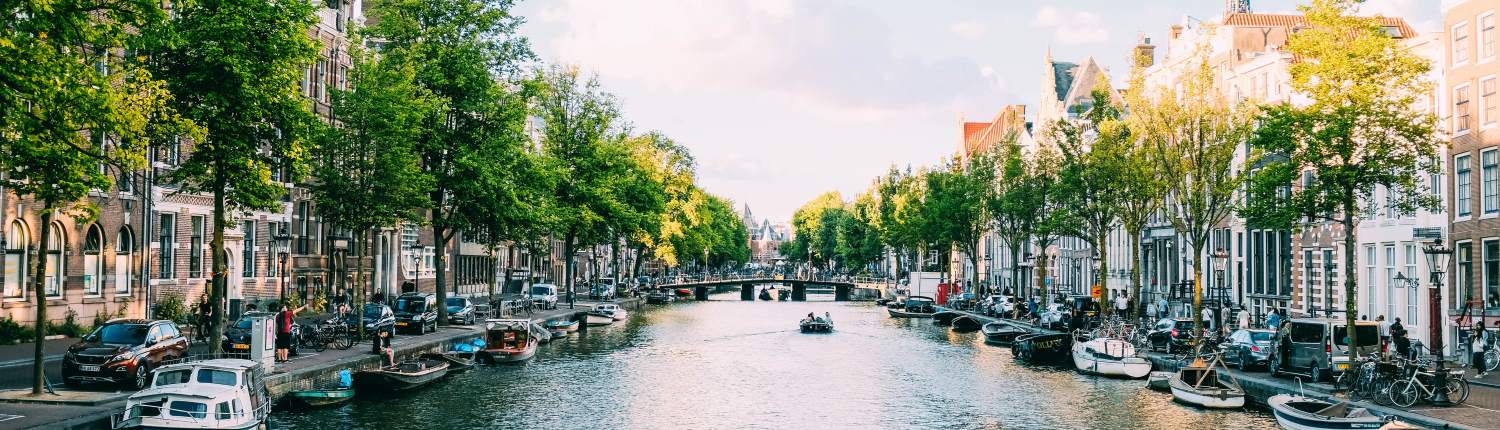
Exploring the Netherlands, a country known for its picturesque canals, vibrant tulip fields, and rich cultural heritage, starts with obtaining a Netherlands Visa. This article serves as a detailed guide to understanding and applying for a Netherlands Visa, part of the Schengen Visa system.
Understanding the Netherlands Visa within the Schengen Area
 A Netherlands Visa is essentially a Schengen Area visa that permits entry into the Netherlands and allows for travel across the 29 countries in the Schengen zone. With a Netherlands Visa, travelers can enjoy the ease of cross-border travel within Europe, experiencing the diverse cultures and landscapes the continent offers.
Types of Netherlands Visas
There are several types of Schengen visas, each catering to different travel needs. Whether it’s for tourism, business, study, or visiting family and friends, the Netherlands Visa you apply for should align with your purpose of visit. The most common types include a tourist visa, business visa, and visitor visa.
Applying for a Netherlands Visa
The process to apply for a Netherlands Visa involves several steps. Applicants must accurately fill out an application form, submit necessary documentation, and attend an appointment to give your fingerprints and photo (biometrics). Required documents typically include a valid passport, proof of accommodation, a travel itinerary, and travel insurance coverage.
Tourist Visas for the Netherlands
For those wishing to explore the Netherlands’ tourist attractions, the Tourist Schengen Visa is ideal. This visa is perfect for those who want to experience the Netherlands’ famous art museums, the iconic Amsterdam canals, and the beautiful countryside.
Visiting Family or Friends in the Netherlands
If your purpose is to visit family or friends, a Schengen Visitor Visa is more appropriate. This type of Netherlands Visa requires an invitation letter from your host in the Netherlands, stating the purpose and duration of your visit.
Eligibility Criteria for a Netherlands Visa
To be eligible for a Netherlands Visa, applicants must meet certain criteria, including having a valid passport, proof of sufficient financial means for the duration of the stay, and a clear travel itinerary. It’s important to provide accurate and complete information to avoid any complications during the application process.
Preparing for Your Netherlands Visa Appointment
Your appointment is where you lodge your documents and give biometrics. Be prepared to answer questions about their travel plans, the purpose of visit, and how they intend to support themselves during their stay. Being well-prepared for the interview increases the chances of visa approval.
Understanding Visa Validity and Duration of Stay
A Netherlands Visa typically allows a stay of up to 90 days within a 180-day period. It’s crucial to understand the visa validity and adhere to the 90/180 rule to avoid overstaying and potential legal issues.
Travel Insurance for Netherlands Visa
Travel medical insurance is a mandatory requirement for a Netherlands Visa. It must give at least €30,000 cover for medical emergencies, hospital treatment and repatriation across the whole Schengen Area. Cancellation cover is optional but worth considering.
Cultural Etiquette and Tips for Traveling in the Netherlands
Understanding Dutch culture and customs can enrich your travel experience. The Netherlands is known for its open-mindedness, punctuality, and direct communication style. Embracing these cultural nuances can make your stay more enjoyable and respectful.
Exploring the Netherlands with a Visa
The Netherlands offers a diverse range of experiences, from exploring historic cities like Amsterdam and Utrecht to enjoying the serene countryside. With a Netherlands Visa, travelers can immerse themselves in the Dutch way of life, sample local cuisines, and explore the rich artistic heritage of the country.
Accommodation and Transportation in the Netherlands
When planning your trip, consider various accommodation options, from hotels to Airbnb rentals. The Netherlands also boasts an efficient public transportation system, making it easy to travel between cities and regions with a Netherlands Visa.
Dutch Cuisine and Culinary Experiences
Dutch cuisine is a unique aspect of the country’s culture. Trying local dishes like stroopwafels, poffertjes, and herring is a must-do for any traveler. Many cities also offer food tours, providing a deeper insight into Dutch culinary traditions.
Festivals and Events in the Netherlands
The Netherlands hosts numerous festivals and events throughout the year. From the famous Tulip Festival to King’s Day celebrations, there’s always something happening. Participating in these events can be a highlight of your visit with a Netherlands Visa.
Shopping and Souvenirs in the Netherlands
Shopping in the Netherlands is a delightful experience, with a range of options from high-end boutiques to local markets. Don’t forget to pick up some typical Dutch souvenirs like cheese, Delftware, and wooden clogs.
Health and Safety in the Netherlands
The Netherlands is generally a safe country to travel to. However, it’s always wise to be aware of your surroundings and take standard travel precautions. Healthcare facilities are excellent, but having travel insurance is crucial for peace of mind.
Leaving the Netherlands and Schengen Area
As your trip comes to an end, ensure you depart before your Netherlands Visa expires. Overstaying can lead to fines and difficulties in obtaining Schengen visas in the future.
The Netherlands at a glance for Australian travellers
The Netherlands is one of the original Schengen countries. Here are the key facts to know before you plan your trip.
| Schengen member since | 26 March 1995 (a founding signatory of the 1985 Schengen Agreement) |
| EU member | Yes, a founding member |
| Currency | Euro (EUR) |
| Official language | Dutch (English is widely spoken) |
| Australian passport holders | No visa needed for stays up to 90 days in any 180-day period |
| Where visa-required residents of Australia apply | VFS Global application centres in Melbourne, Perth and Sydney |
| Long stays, work and study | National residence permits through the Immigration and Naturalisation Service (IND) |
| Not in Schengen | Aruba, Curaçao, Sint Maarten and the Caribbean Netherlands (Bonaire, Sint Eustatius and Saba) have their own entry rules |
Information checked October 2026. Rules change, so confirm details with the Dutch embassy or the Immigration and Naturalisation Service (IND) before you travel.
Entry rules for Australian passport holders
If you hold an Australian passport, you do not need a visa to visit the Netherlands for tourism, family visits or short business trips. You can stay up to 90 days in any 180-day period, and that limit covers the whole Schengen Area, not just the Netherlands. Days you spend in other Schengen countries before or after the Netherlands count toward the same 90 days. Use our Schengen visa calculator to check your days.
- Entry/Exit System (EES): the EU Entry/Exit System has been fully operational at external Schengen borders since 10 April 2026. The first time you enter, your passport details, a facial image and fingerprints are recorded instead of a passport stamp. Most Australians arriving from outside Europe enter at Amsterdam Schiphol, where you should allow extra time for EES registration on your first trip.
- ETIAS: the European Travel Information and Authorisation System is expected to start in late 2026. Once it is running, Australians will need an approved ETIAS travel authorisation before travel. The fee will be €20 (free if you are under 18 or over 70) and an approval is valid for three years or until your passport expires. It is not required yet. See our ETIAS guide.
- Passport: your passport should be issued within the last 10 years and be valid for at least three months after the day you plan to leave the Schengen Area.
- Border checks: some Schengen countries run temporary checks at internal borders from time to time, so carry your passport when you cross from one country to another.
Who needs a Schengen visa for the Netherlands?
You need a short-stay (type C) Schengen visa if your nationality is on the EU list of visa-required countries. This often affects people who live in Australia but hold another passport, for example temporary visa holders and permanent residents who are not yet Australian citizens. Apply to the Netherlands if it is your main destination (where you will spend the most time) or, if your stays are equal, your first point of entry.
Applying from Australia: residents of Australia lodge Dutch Schengen visa applications in person at a VFS Global application centre in Melbourne, Perth or Sydney. You book your own appointment online, each traveller needs a separate appointment, and you pay a VFS service charge on top of the visa fee. Fingerprints are usually taken unless you gave them for a Schengen visa in the last 59 months. Children under 12 do not give fingerprints but must still attend. The Dutch government advises applicants to book directly rather than through an intermediary.
| Item | Details (October 2026) |
|---|---|
| Adult (12 years and over) | €90 |
| Child aged 6 to 11 | €45 |
| Child under 6 | Free |
| Visa centre service fee | Charged on top of the visa fee where a provider is used |
| When to apply | Up to 6 months before travel, and at least 15 days before |
| Standard decision time | 15 calendar days, which can be extended up to 45 days |
| Travel medical insurance | At least €30,000 cover, valid for the whole Schengen Area |
Fees are set in euros and are usually paid in Australian dollars at the current exchange rate. Some nationalities pay a reduced fee under EU visa facilitation agreements. See how to apply for a Schengen visa and Schengen visa types for more detail.
Documents checklist for a Dutch Schengen visa
- Passport issued within the last 10 years, valid for at least three months after your planned departure, with at least two blank pages.
- Completed and signed application form.
- A recent passport-style photo that meets the Schengen photo standard.
- Travel medical insurance with at least €30,000 cover for the whole Schengen Area and your full trip.
- Flight reservations or a travel itinerary showing your entry and exit dates.
- Proof of accommodation, such as hotel bookings or an invitation from your host in the Netherlands.
- Proof of funds, such as recent bank statements.
- Evidence of your situation in Australia: an employment letter, student enrolment or business documents, and your current Australian visa if you are not a citizen.
- Purpose documents: an invitation from a company for business trips, or a conference registration, event tickets or similar.
The consulate may ask for more. Check the current checklist for your purpose of travel before your appointment.
Staying longer: national visas and permits for the Netherlands
A Schengen visa or visa-free stay never covers more than 90 days, and it does not let you take up a job. To study, work or live in the Netherlands for longer you need a national (type D) visa or a residence permit issued by the Netherlands itself. In the Netherlands, residence permits are handled by the Immigration and Naturalisation Service (IND).
Australia and the Netherlands have a reciprocal working holiday arrangement. Australian citizens aged 18 to 30 can apply for a residence permit under the Dutch Working Holiday Programme, which lets you holiday and take up work for up to one year. Places, conditions and the application process are set by the IND, so check the current rules before you apply.
Netherlands visa FAQs
Do Australians need a visa for the Netherlands?
No. Australian passport holders can visit the Netherlands without a visa for up to 90 days in any 180-day period, counted across the whole Schengen Area. You will be registered in the Entry/Exit System when you arrive, and you will need ETIAS once it starts.
Where do I apply for a Dutch Schengen visa in Australia?
If you need a visa, apply in person at a VFS Global application centre in Melbourne, Perth or Sydney. Book the appointment yourself and allow time, as appointments can fill up before the European summer.
Can I work in the Netherlands on a working holiday?
Yes, if you are an Australian citizen aged 18 to 30 and you are granted a permit under the Dutch Working Holiday Programme. You cannot work on a visa-free stay or a Schengen visa.
Are Aruba and Curaçao part of the Schengen Area?
No. The Caribbean parts of the Kingdom of the Netherlands are outside the Schengen Area. Time spent there does not count toward your 90 days, and they have their own entry rules.
Do I need ETIAS to visit the Netherlands?
Not yet. ETIAS is expected to start in late 2026, with a transition period before it becomes mandatory. Once it is required, apply online before you travel and pay the €20 fee.
How long does a Dutch Schengen visa take?
The standard decision time is 15 calendar days from the date your application is lodged. It can take up to 45 days if more checks are needed, so apply at least a few weeks before you travel.
VisaEnvoy does not provide Schengen visa services. This page is general information only. For advice on your application, contact the embassy or consulate of the country you plan to visit.