
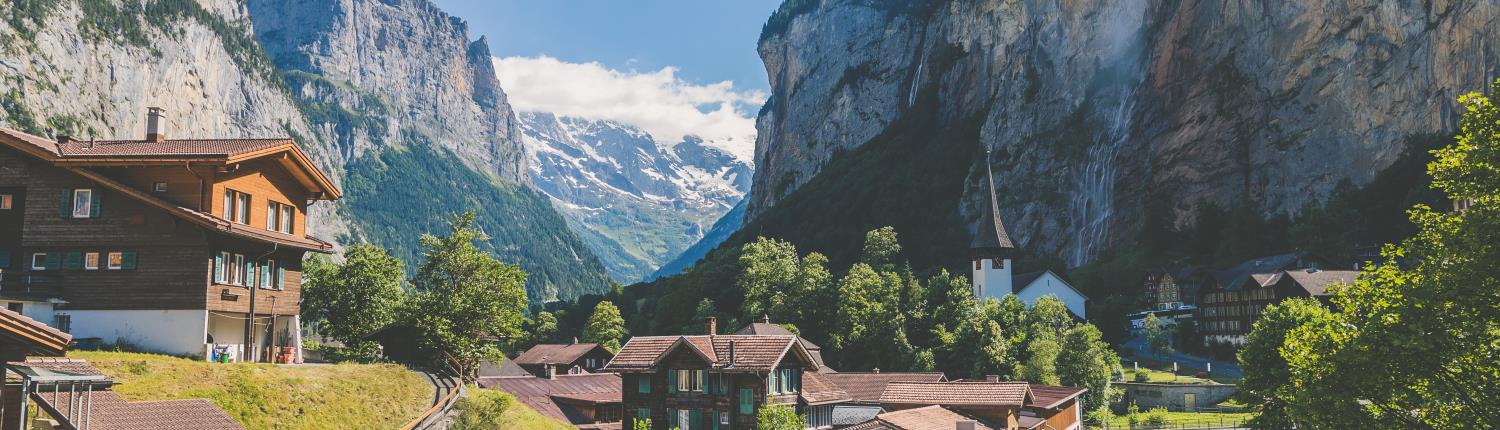
 Switzerland, with its breathtaking landscapes and multicultural cities, attracts countless visitors each year. Whether for tourism, business, or education, understanding the Switzerland Visa process is crucial for a smooth travel experience. This guide will walk you through the essentials of applying for a Switzerland Visa.
Types of Switzerland Visas
- Short Stay Schengen Visas – This category includes visas for tourist visits, business trips, and short-term studies, allowing stays of up to 90 days within a 180-day period.
- National Visas for Long Stays – National visas are suitable for those planning to stay in Switzerland for more than 90 days, such as for work, study, or family reunification purposes.
The Switzerland Visa Application Process
- Step 1: Determine Visa Type – Your journey begins by identifying the type of Switzerland Visa that aligns with your travel purpose and duration.
- Step 2: Document Preparation – Gathering the necessary documents is critical. This typically includes a valid passport, proof of accommodation, travel insurance, and a detailed itinerary.
- Step 3: Online Application Submission – Complete the application form through the Swiss government’s online visa application system.
- Step 4: Appointment for Biometric Data – After submitting your online application, you’ll need to schedule an appointment at a visa application center to provide biometric data.
- Step 5: The Visa Interview – Depending on your visa type, you may be required to attend an interview at a Swiss embassy or consulate.
Financial Requirements for a Switzerland Visa
Proof of Funds – Applicants must demonstrate financial sufficiency for the duration of their stay in Switzerland.
Health Insurance Coverage – Valid health insurance covering your stay in the Schengen area is mandatory.
Switzerland Visa Processing Time and Fees
Expected Processing Duration – Processing times for a Switzerland Visa can vary; it’s recommended to apply well ahead of your travel date.
Visa Application Fees – Fees differ based on visa type and applicant’s age. The Schengen visa fee is €90 for adults and €45 for children aged 6 to 11 (free under 6), usually charged in local currency.
Tips for a Successful Switzerland Visa Application
Ensure Accurate and Complete Documentation – Inaccurate or incomplete applications can lead to delays or rejections. It is vital to double-check all documents for accuracy.
Adherence to Application Guidelines – Strictly follow the instructions provided on the official Switzerland Visa website to avoid common pitfalls.
Preparation for the Visa Interview – If an interview is required, prepare thoroughly by understanding the specifics of your travel plans and aligning your responses accordingly.
Living in Switzerland with a Visa
Cultural Adaptation – Familiarizing yourself with Swiss culture and customs can greatly enhance your experience.
Language Considerations – Switzerland has four national languages. While English is widely spoken, knowing some basics in German, French, Italian, or Romansh can be advantageous.
Registering Locally – Long-term visa holders must register with the local residents’ registration office upon arrival in Switzerland.
Exploring Switzerland on a Visa
Discovering Swiss Landscapes – Switzerland is renowned for its natural beauty. From the majestic Alps to serene lakes, there’s much to explore.
Swiss Gastronomy – Swiss cuisine, known for its cheeses and chocolates, reflects the country’s diverse cultural influences.
Cultural and Historical Sites – Switzerland’s rich history is evident in its well-preserved medieval towns, museums, and cultural events.
Working or Studying in Switzerland
Employment on a Switzerland Visa – For those moving to Switzerland for work, understanding the local job market and work culture is essential.
Educational Opportunities – Switzerland offers world-class educational institutions, making it an attractive destination for international students.
Switzerland Visa Renewal and Extension
Renewal Process – Understanding the process for renewing or extending your Switzerland Visa is crucial for longer stays.
Conditions for Visa Extension – Visa extensions are typically granted under specific circumstances, such as unforeseen events that extend your stay.
Practical Tips for Visiting Switzerland
Customs still apply – Switzerland is in the Schengen Area but not in the EU or its customs union. You may not see a passport check when you arrive by road or rail from France, Germany, Italy or Austria, but customs rules and duty-free limits still apply.
Money – Switzerland uses the Swiss franc (CHF). Some places accept euros, often at a poor rate, so pay in francs or by card where you can.
Liechtenstein – There is an open border between Switzerland and Liechtenstein, and Liechtenstein is also in the Schengen Area. See our Liechtenstein visa guide.
Plan your days – Your time in Switzerland counts toward the same 90 days as the rest of the Schengen Area. Use the Schengen visa calculator if you are combining Switzerland with other countries.
Switzerland at a glance for Australian travellers
Switzerland is not in the European Union, but it has been part of the Schengen Area since 2008 and applies the same short-stay rules.
| Schengen member since | 12 December 2008 for land borders, and 29 March 2009 for airports |
| EU member | No |
| Currency | Swiss franc (CHF) |
| Official languages | German, French, Italian and Romansh |
| Australian passport holders | No visa needed for stays up to 90 days in any 180-day period |
| Where visa-required residents of Australia apply | Consulate General of Switzerland in Sydney, which covers all of Australia (apply online first, then book an appointment) |
| Long stays, work and study | Australians do not need a national visa, but need a residence or work permit from the canton |
Information checked October 2026. Rules change, so confirm details with the Swiss representation in Australia or the cantonal migration office before you travel.
Entry rules for Australian passport holders
If you hold an Australian passport, you do not need a visa to visit Switzerland for tourism, family visits or short business trips. You can stay up to 90 days in any 180-day period, and that limit covers the whole Schengen Area, not just Switzerland. Days you spend in other Schengen countries before or after Switzerland count toward the same 90 days. Use our Schengen visa calculator to check your days.
- Entry/Exit System (EES): the EU Entry/Exit System has been fully operational at external Schengen borders since 10 April 2026. The first time you enter, your passport details, a facial image and fingerprints are recorded instead of a passport stamp. Switzerland applies EES at its external Schengen borders, which in practice means its international airports such as Zurich and Geneva.
- ETIAS: the European Travel Information and Authorisation System is expected to start in late 2026. Once it is running, Australians will need an approved ETIAS travel authorisation before travel. The fee will be €20 (free if you are under 18 or over 70) and an approval is valid for three years or until your passport expires. It is not required yet. See our ETIAS guide.
- Passport: your passport should be issued within the last 10 years and be valid for at least three months after the day you plan to leave the Schengen Area.
- Border checks: some Schengen countries run temporary checks at internal borders from time to time, so carry your passport when you cross from one country to another.
Liechtenstein shares an open border with Switzerland, and the two countries handle visas together.
Who needs a Schengen visa for Switzerland?
You need a short-stay (type C) Schengen visa if your nationality is on the EU list of visa-required countries. This often affects people who live in Australia but hold another passport, for example temporary visa holders and permanent residents who are not yet Australian citizens. Apply to Switzerland if it is your main destination (where you will spend the most time) or, if your stays are equal, your first point of entry.
Applying from Australia: residents of Australia who need a Schengen visa for Switzerland apply to the Consulate General of Switzerland in Sydney, whose consular district covers the whole of Australia. You start the application in the Swiss government’s online visa application system, print and sign it, and then receive a link to book an appointment online (the consulate does not give appointments by phone or email). Fingerprints are taken from age 12, unless you gave them for a Schengen visa in the last 59 months. The consulate generally decides within 15 days. In Australia the Swiss consulate also handles Schengen visas for Hungary, while visas for Liechtenstein are handled by Austria. Swiss visas also cover travel to Liechtenstein.
| Item | Details (October 2026) |
|---|---|
| Adult (12 years and over) | €90 |
| Child aged 6 to 11 | €45 |
| Child under 6 | Free |
| Visa centre service fee | Charged on top of the visa fee where a provider is used |
| When to apply | Up to 6 months before travel, and at least 15 days before |
| Standard decision time | 15 calendar days, which can be extended up to 45 days |
| Travel medical insurance | At least €30,000 cover, valid for the whole Schengen Area |
Fees are set in euros and are usually paid in Australian dollars at the current exchange rate. Some nationalities pay a reduced fee under EU visa facilitation agreements. See how to apply for a Schengen visa and Schengen visa types for more detail.
Documents checklist for a Swiss Schengen visa
- Passport issued within the last 10 years, valid for at least three months after your planned departure, with at least two blank pages.
- Completed and signed application form.
- A recent passport-style photo that meets the Schengen photo standard.
- Travel medical insurance with at least €30,000 cover for the whole Schengen Area and your full trip.
- Flight reservations or a travel itinerary showing your entry and exit dates.
- Proof of accommodation, such as hotel bookings or an invitation from your host in Switzerland.
- Proof of funds, such as recent bank statements.
- Evidence of your situation in Australia: an employment letter, student enrolment or business documents, and your current Australian visa if you are not a citizen.
- Purpose documents: an invitation from a company for business trips, or a conference registration, event tickets or similar.
The consulate may ask for more. Check the current checklist for your purpose of travel before your appointment.
Staying longer: national visas and permits for Switzerland
A Schengen visa or visa-free stay never covers more than 90 days, and it does not let you take up a job. To study, work or live in Switzerland for longer you need a national (type D) visa or a residence permit issued by Switzerland itself. Since 1 January 2022, Australian citizens do not need a national (type D) visa to live or work in Switzerland. You still need a residence or work permit, which you apply for in advance through the migration authority of the canton where you will live or work, and you must register with your local commune within 14 days of arrival.
Switzerland does not offer a working holiday visa to Australians. Instead, a trainee (stagiaire) exchange agreement lets young Australian professionals work for a Swiss employer in their field for up to 18 months. Australia offers Swiss citizens Work and Holiday (subclass 462) visas, but that arrangement does not give Australians a Swiss working holiday.
Swiss visa FAQs
Do Australians need a visa for Switzerland?
No. Australian passport holders can visit Switzerland visa-free for up to 90 days in any 180-day period, counted across the whole Schengen Area.
Do Australians need a visa to live or work in Switzerland?
Not a visa, but you do need a permit. Since 1 January 2022 Australians are exempt from the national visa requirement, but must obtain a residence or work permit from the canton before starting work.
Is there a Swiss working holiday visa for Australians?
No. Switzerland offers a trainee (stagiaire) exchange for young professionals instead. It allows work in your field for up to 18 months.
Is Switzerland in the EU?
No. Switzerland is in the Schengen Area but not the EU, so customs limits apply when you arrive from EU countries.
Does a Swiss visa cover Liechtenstein?
Yes. Liechtenstein is also in the Schengen Area and shares an open border with Switzerland. A Schengen visa covers both.
Will I need ETIAS for Switzerland?
Yes, once ETIAS starts. It is expected to begin in late 2026 and will apply to visa-exempt travellers such as Australians.
VisaEnvoy does not provide Schengen visa services. This page is general information only. For advice on your application, contact the embassy or consulate of the country you plan to visit.